








Community-Based Education

Project Status

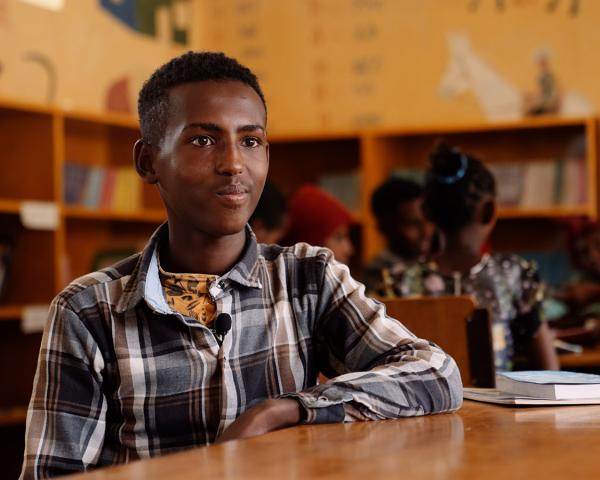
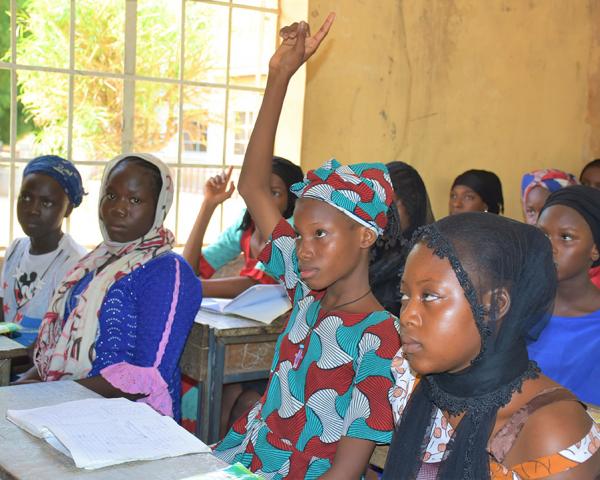
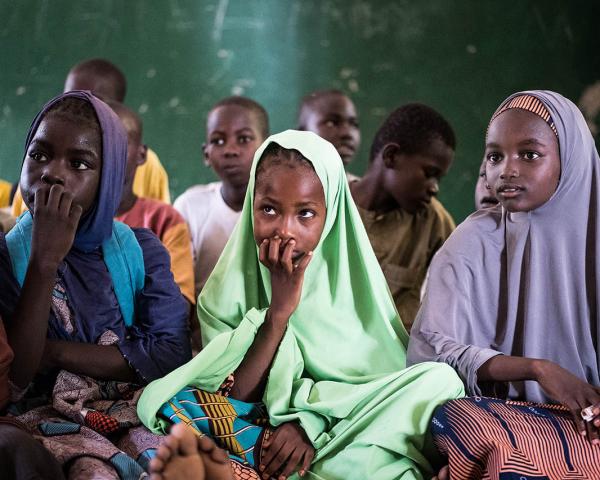
The project aimed to support the efforts by the Government of Afghanistan to extend primary education to all school aged boy and girls. The project aimed at facilitating government delivery of the right to basic quality basic education (grades 1-9) in 120 community-based classes (96 primary and 24 lower secondary) to 3,154 children, living in areas where public education services are not available in Ghazni, Kapisa and Khost provinces, targeting returnees, IDPs (Internally Displaced People) and communities prone to conflict in the three provinces and at benefiting children living in areas where public education facilities do not exist.
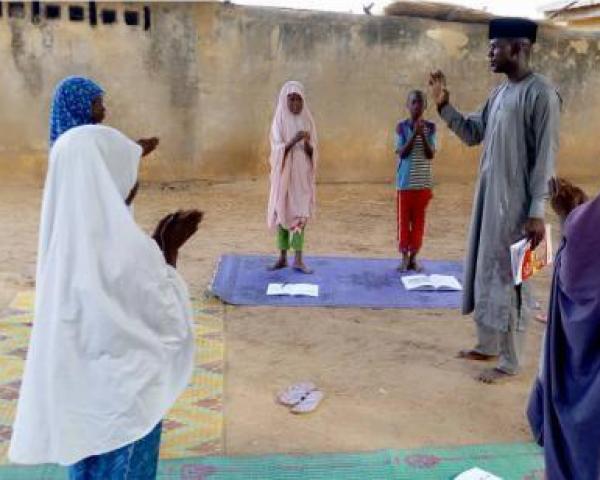
3,377 primary and lower-secondary students in 124 classes have been supported during the project. The project established 120 Community Based Education (CBE) classes (96 primary and 24 lower secondary) in 35 communities, providing quality education to grade 1-9 students over 3 years. Safe educational environments were established through appropriate temporary or permanent infrastructure according to INEE guidelines in collaboration with local communities.
The provincial MoE and district education departments integrated 112 community-based education facilities (16 lower secondary and 96 primary) into the formal education system. 67 School Management Committees (SMCs) were established and are able to effectively manage CBE facilities, with SMC members actively participating in all major decisions about CBE facilities and activities undertaken in collaboration with the Education line department.
Improved institutional and technical capacity of local CSOs was achieved to support, participate in and undertake CBE. Teachers were recruited for CBE and trained in academic subjects and pedagogical methods, with CBE teachers receiving certification from MoE acknowledging them as trained teachers. Students demonstrated quality learning opportunities and attained the level of performance required for MoE certification.
In partnership with