








Closing the Gap in Science

In Tanzania, a young girl speaks about science with excitement, dreaming of becoming a doctor who can help others. In Palestine, young women continue their studies in engineering and medical sciences despite significant disruption and uncertainty, driven by a desire to serve their communities. They will never meet. Their classrooms look nothing alike. Yet they are part of the same story, one where science opens doors to resilience, opportunity, and hope.
Where Curiosity Begins
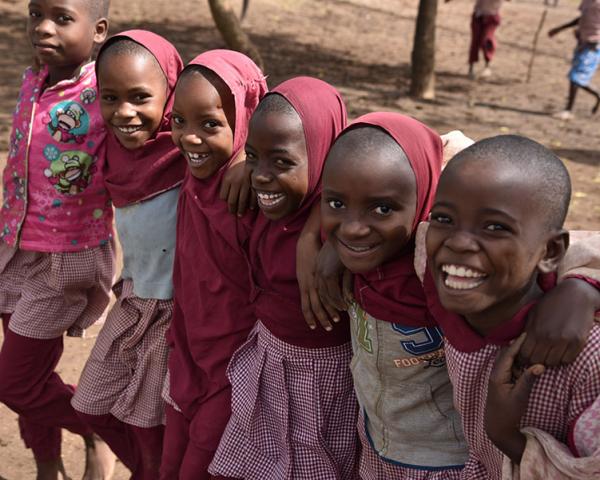
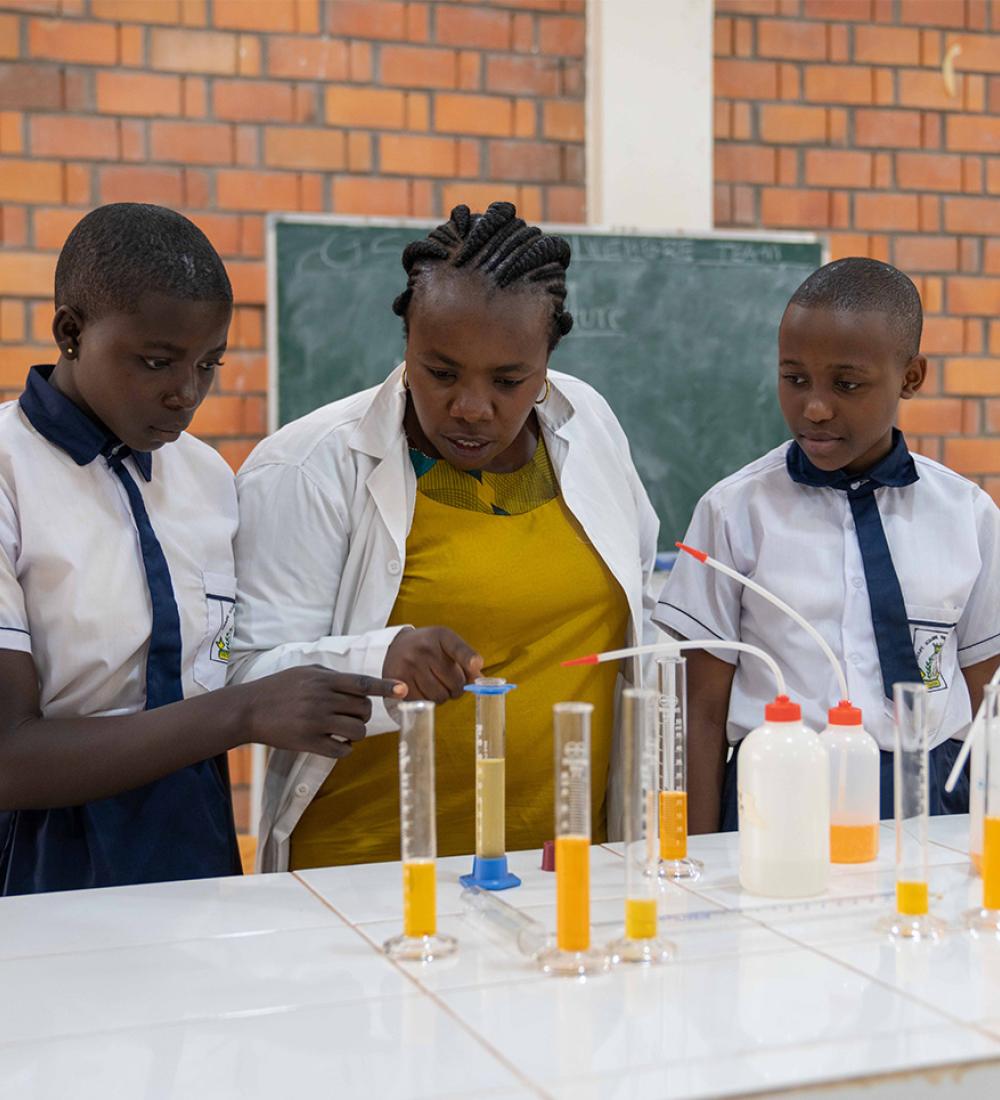
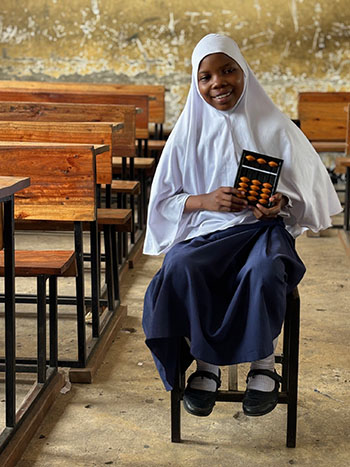
Across contexts, the barriers facing girls in science may differ, but the determination to learn remains strikingly similar. In Dar es Salaam, that enthusiasm is visible in Umra, an 11-year-old student whose curiosity for Maths and science has been nurtured through a STEM club at her school. For Umra, learning is a joyful experience. The club is a space to ask questions, to explore how the world works, and to imagine a future where she can care for others.
The Power of Mentorship
That early spark has been sustained by mentorship. Juliana Marko, an engineer and advocate for inclusive STEM education, understands how critical it is for girls to see themselves in science. Having navigated her own journey with limited access to resources and encouragement, she is now committed to ensuring that young learners grow up, believing that science and innovation belong to them. Through mentorship and classroom support, she helps transform curiosity into confidence, and confidence into possibility.
Learning Amid Disruption
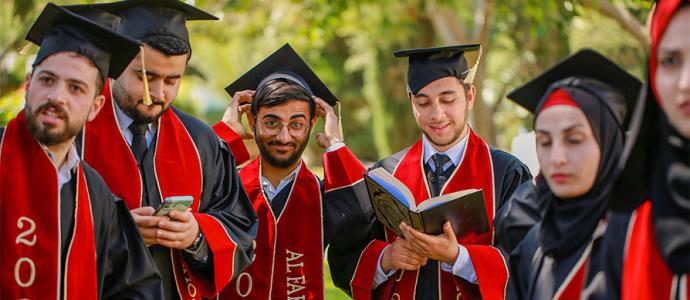
Thousands of kilometres away, in Palestine, the journey into science looks different. For Dalal, a 20-year-old architectural engineering student, learning has taken place amid repeated disruptions, long travel routes, and constrained access to resources. Yet her commitment to education has only deepened. Architecture, for her, is not simply a profession, but a way to contribute to the healing of communities and the rebuilding of spaces that offer safety and dignity.
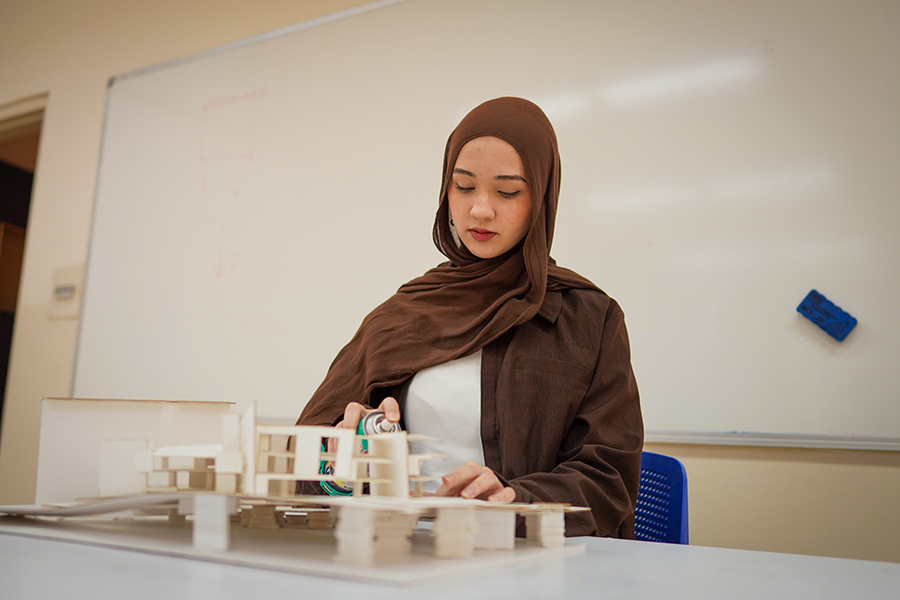
As Dalal explains, “Education is liberation. It gives us the tools to challenge injustice and create change.” For her, studying is not only about acquiring technical skills. It is about shaping a future defined by possibility, one lesson at a time, even when circumstances make learning difficult.
Alongside her, Sondos is pursuing medical laboratory sciences with purpose. Drawn to the impact of accurate diagnosis and behind-the-scenes medical work, she chose a field where precision and care save lives. “When I saw how much difference accurate lab results can make in someone’s life, I knew I wanted to be part of that work,” she says.
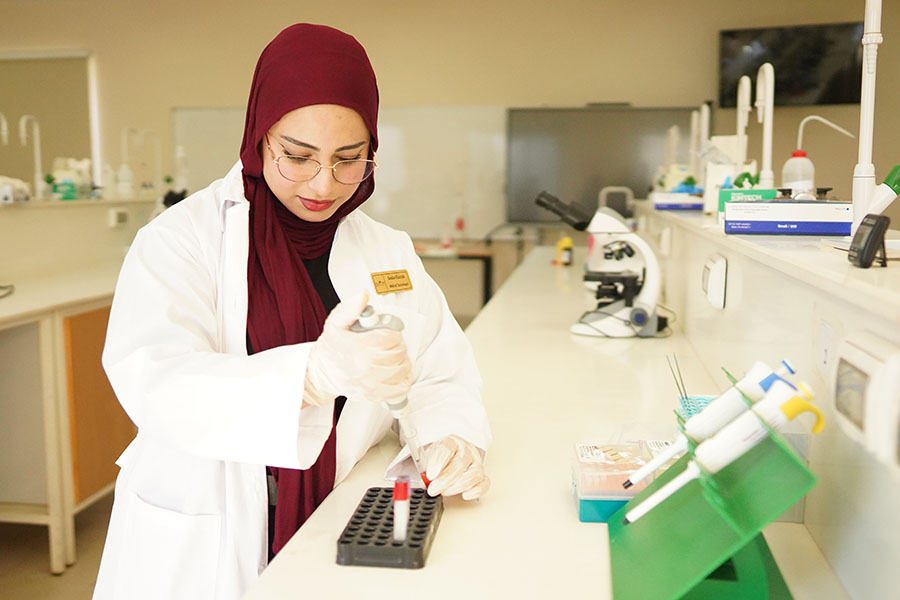
Despite financial pressure, emotional strain, and ongoing uncertainty, Sondos continues her studies with determination. Her ambition is to contribute to stronger health-care systems and to continue learning beyond her degree. For her, education is an opportunity and a responsibility. As she reflects, “Education is a lifeline. It is how we hold on to hope and build something better despite uncertainty.”
What connects these journeys is not geography, age, or discipline, but the role of quality education as a stabilising force. Whether it is a young girl discovering science for the first time, a mentor opening doors through guidance, or university students persisting through disruption, learning becomes an anchor, a launchpad of possibility. It offers structure in unstable environments and a pathway to contribute to society.
Closing the Gender Gap in Science
Globally, girls and women remain underrepresented in science, technology, engineering, and Maths (STEM), particularly in contexts affected by poverty, crisis, and instability. Barriers to access, participation, and opportunity continue to limit who enters, remains, and advances. The International Day for Women and Girls in Science highlights these gaps and calls for sustained action to ensure that girls and women are supported not only to begin their education, but to continue, thrive, and lead in scientific fields.
The experiences of Umra, Dalal, and Sondos reflect these realities, while also demonstrating what becomes possible when girls are supported to learn, persist, and lead in science. Their stories show that closing the gender gap in STEM is not just a matter of representation, but rather creating enabling environments where talent can flourish.
Support systems play a defining role in sustaining this progress. Families, teachers, mentors, and safe-learning spaces all shape whether girls remain in education and see a future for themselves in science. Investment in inclusive, quality education, particularly in contexts affected by crisis, is essential to ensure that talent is nurtured and aspirations are protected.
Education as a Pathway to Opportunity
As the International Day of Women and Girls in Science marks its tenth anniversary, these stories remind us that progress in STEM is built over time through collective effort. When girls and women are supported to learn, to explore and to lead, the impact extends beyond the classroom. Across borders and generations, science becomes a pathway to resilience, opportunity and hope.
The Education Above All Foundation believes that this pathway must be open to every child and young person, including girls and women, throughout their learning journey. From access to quality primary education to secondary and tertiary learning, skills development, employment, and economic opportunity, education lays the foundation for lifelong participation and contribution. By supporting inclusive education systems and addressing barriers to learning, Education Above All Foundation works to ensure that girls and women are empowered to shape their futures and the communities they serve.
Emmanuel Chifamba
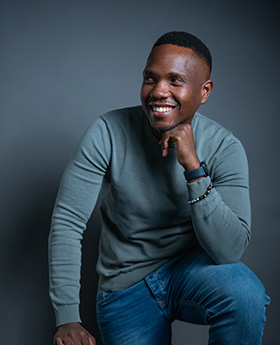 Emmanuel Chifamba is the Head of Digital at the Education Above All Foundation. With over nine years of experience in international development and digital advocacy, including roles at UNICEF and The Global Fund, he leverages social media to amplify youth voices, mobilise action, and position education as a fundamental right. Emmanuel is passionate about using creative digital content to shift narratives and support young people in telling their own stories and shaping their futures.